For organisations managing end-of-life IT assets, secure data erasure is a critical requirement. NIST SP 800-88 Revision 2, a globally recognised standard, provides comprehensive guidance for data sanitisation. Understanding and applying this standard is essential for IT asset disposition (ITAD) and refurbishment teams aiming to protect sensitive information and demonstrate regulatory compliance.
What is NIST SP 800-88 Rev. 2?
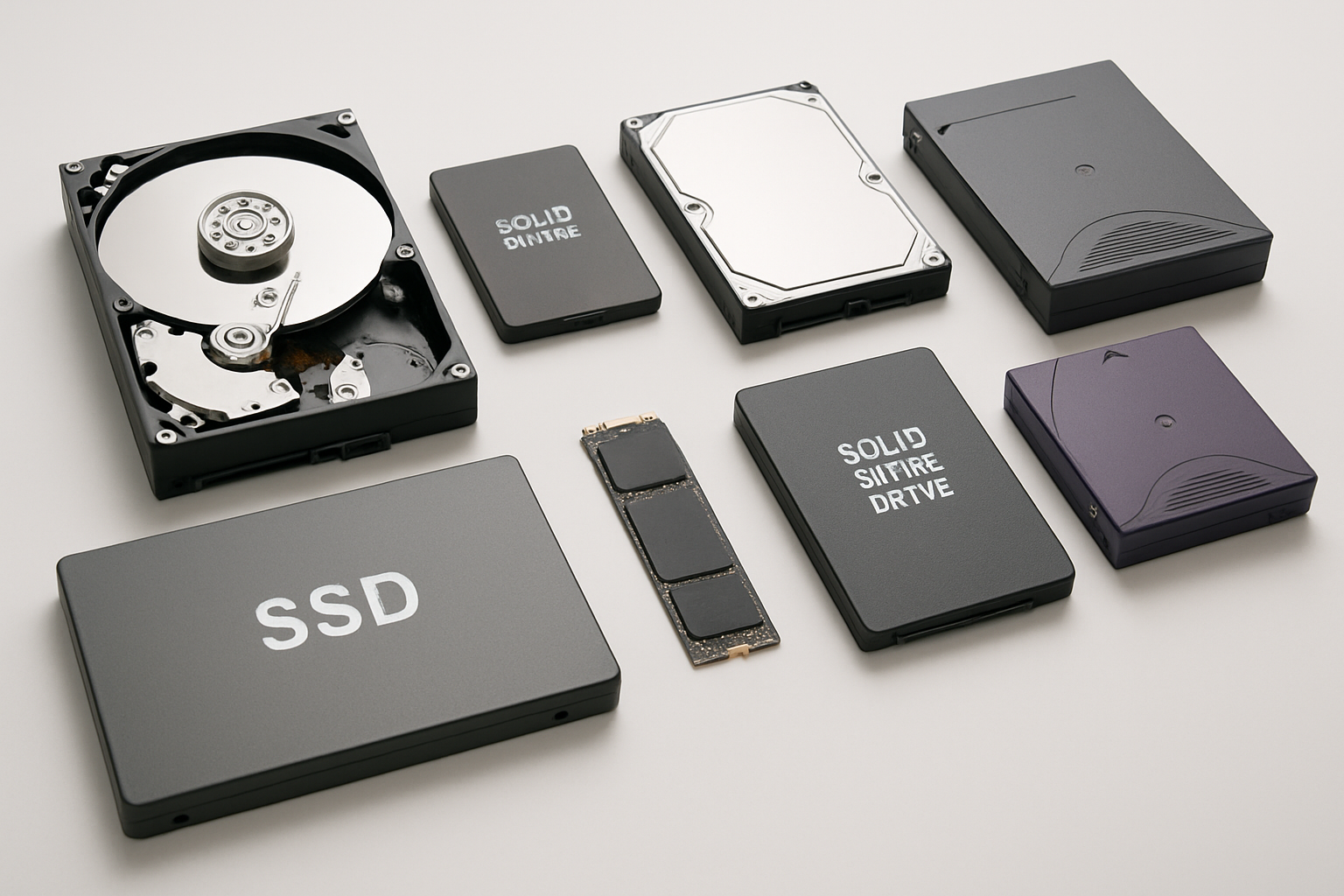
NIST Special Publication 800-88 Revision 2, published by the US National Institute of Standards and Technology, outlines best practices for media sanitisation. Its framework helps organisations securely erase data from a range of storage devices, including hard drives, SSDs, and removable media. The goal is to ensure that data cannot be recovered by any known means, safeguarding privacy and supporting compliance with data protection laws like the UK GDPR.
Key Data Sanitisation Methods
NIST SP 800-88 Rev. 2 specifies three primary data sanitisation techniques:
- Clear: Logical techniques that render data unrecoverable by standard system functions. Typical methods include overwriting or resetting to factory settings.
- Purge: More thorough than Clear, Purge uses advanced techniques (such as cryptographic erasure or degaussing) to make data infeasible to recover even with laboratory methods.
- Destroy: Physical destruction of media so that data retrieval is impossible. Shredding, crushing, or melting are common approaches.
Choosing the appropriate method depends on the organisation’s risk tolerance, media type, and regulatory obligations. ITAD and refurbishment teams should assess each asset and apply the correct technique based on the asset’s intended future use.
Applying NIST SP 800-88 in ITAD Operations
For ITAD providers and refurbishment teams, following NIST SP 800-88 Rev. 2 is not just best practice; it is often a contractual or regulatory requirement. The standard mandates clear documentation and verification of sanitisation processes. Teams must:
- Identify and categorise all media types (HDDs, SSDs, tapes, etc.).
- Select the correct sanitisation method for each device.
- Use validated tools and technologies for erasure or destruction.
- Maintain auditable records, including details of the process and personnel involved.
- Issue certificates of data destruction where required.
In refurbishment, choosing Clear or Purge allows devices to be reused or resold without data risk, supporting sustainability and maximising asset value.
Verification and Documentation Requirements
NIST SP 800-88 Rev. 2 emphasises verification. After sanitisation, ITAD teams must confirm that data is unrecoverable. This might involve:
- Automated verification by erasure software.
- Manual checks for residual data or device logs.
- Random sampling and forensic testing for high-risk assets.
Accurate record-keeping is essential. Documentation should include unique asset identifiers, sanitisation method used, date, operator details, and verification results. This evidence supports internal audits and demonstrates compliance to clients or regulators.
Practical Challenges and Considerations
Implementing NIST SP 800-88 Rev. 2 in real-world ITAD and refurbishment operations presents challenges. Not all erasure software supports every storage technology. SSDs, for example, can retain data in hidden areas; choosing certified tools and staying updated with manufacturer guidance is crucial. Furthermore, ITAD providers must ensure that staff are trained in both the technical and procedural aspects of data sanitisation.
Some devices, particularly those with hardware faults, may not be erasable through logical means, necessitating physical destruction. Balancing environmental goals with security needs requires a thoughtful, case-by-case approach.
Conclusion: Best Practice for Secure IT Asset Disposition
Adhering to NIST SP 800-88 Rev. 2 is the cornerstone of secure IT asset disposition and refurbishment. By understanding its requirements, selecting appropriate sanitisation methods, and maintaining robust verification and documentation, teams can protect sensitive data, comply with regulations, and build client trust. Regular training and process reviews ensure that ITAD operations remain compliant as technology and standards evolve.