
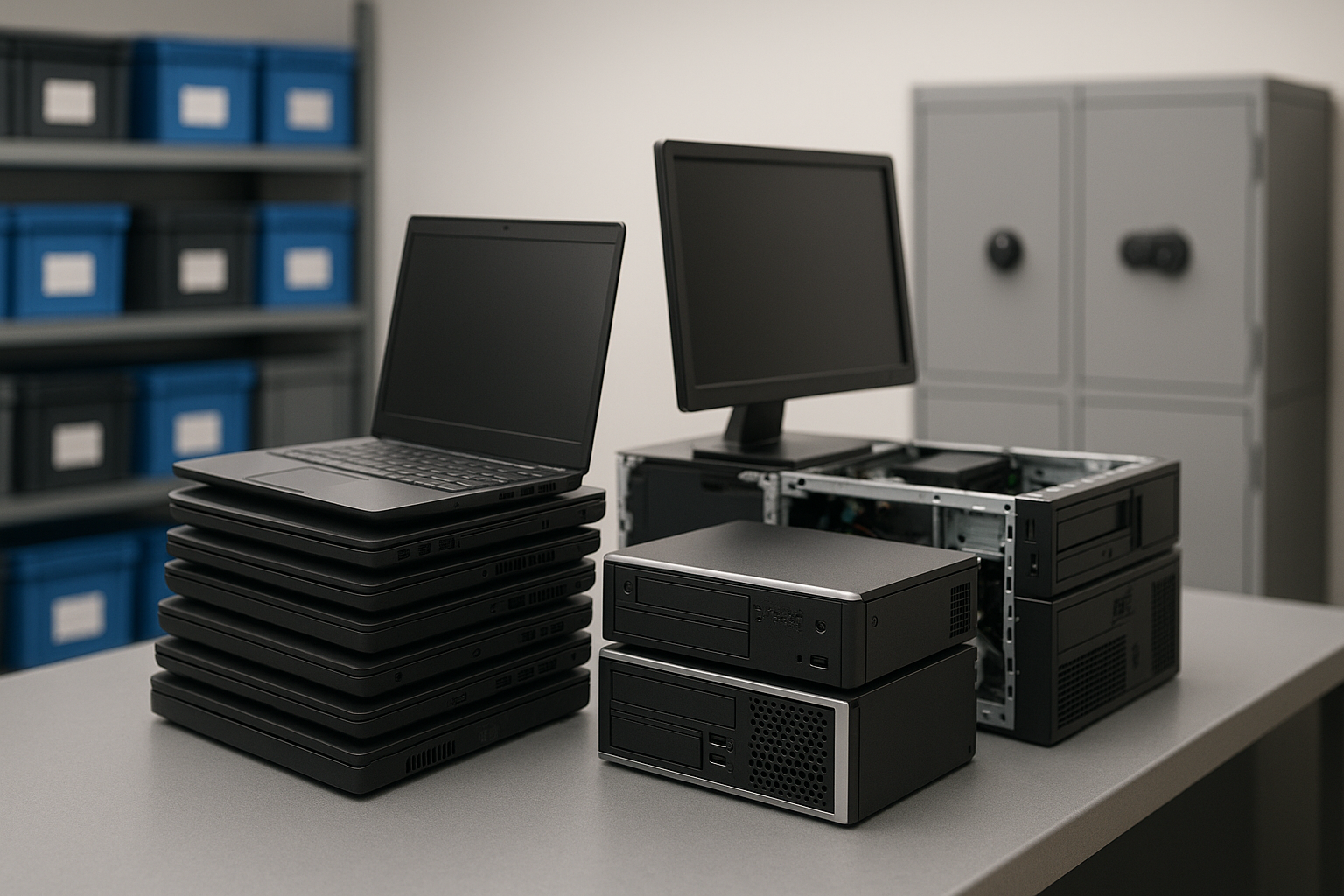
When your business upgrades its IT equipment, you’re left with a pile of old devices. Disposing of them is not as simple as calling a courier. If you’re in the UK, picking a reliable IT asset disposition (ITAD) partner is the difference between regulatory headaches and peace of mind. From secure data erasure to eco-friendly refurbishment, let’s walk through what you need to look for-and why it matters.
Understand What ITAD Really Means
ITAD isn’t just about hauling away unwanted kit. It’s a full process that covers data destruction, device testing, refurbishment, and compliant disposal or resale. A good ITAD provider will offer:
- Certified data erasure using tools like Blancco or Certus, with audit trails.
- Physical destruction for drives that can’t be wiped.
- Refurbishment - grading, repair, and cleaning to maximise resale value.
- Compliance with UK laws (WEEE, GDPR) and environmental standards.
A lot of firms claim to do it all, but ask for actual certificates - Blancco reports, WEEE consignment notes, and asset registers. If they look blank, move on.
Data Security Has to Come First
The biggest risk is data leaking from old equipment. In the UK, ICO fines for breaches can be eye-watering: think £17.5 million or 4% of annual turnover. Insist on auditable, NCSC-compliant data erasure. That means:
- Erasure software with full reporting per device (serial, model, method, pass/fail).
- Physical shredding or degaussing for non-wipeable media.
- Locked transport and secure storage at every step.
Ask to see their process, not just a marketing slide. A genuine provider will walk you through a chain of custody, show you a sample certificate, and talk specifics-not just "industry best practice".
Refurbishment and Grading: How Much Value Can You Recover?
Refurbishment is where you claw back value, but only if it’s done right. Devices should be:
- Tested with diagnostic suites (we use PC-Check, Apple Diagnostics, and in-house scripts).
- Graded honestly-A, B, or C, with clear definitions. For example, A-grade laptops: no dead pixels, battery health above 80%, minor wear only.
- Repaired and cleaned. New SSDs, RAM upgrades, fresh OS installs.
Get sample reports or ask to see recent resale data. In our experience, a well-refurbished A-grade i5 laptop can fetch £120–£200, vs. £40 as a C-grade. That difference adds up fast if you’re cycling hundreds of units.
Compliance: Don’t Cut Corners
IT asset disposal in the UK is tightly regulated. You’re on the hook for:
- WEEE compliance: hazardous waste must be tracked from collection to final treatment.
- GDPR: data must be irretrievably wiped, not just "factory reset".
- Environmental impact: devices should be reused wherever possible; only scrap what can’t be saved.
A reputable ITAD partner will provide WEEE consignment notes and data destruction certificates as standard. If they hesitate, that’s a red flag.
What to Ask a Prospective ITAD Provider
Don’t just take glossy brochures at face value. When shortlisting providers, ask:
- “Can you provide sample erasure certificates and asset registers?”
- “What tools do you use for data erasure and diagnostics?”
- “How do you handle batteries and hazardous components?”
- “What’s your process for grading and refurbishment?”
- “Can you give recent client references?”
We’ve had clients bring us horror stories: assets collected with no paperwork, drives "wiped" with no proof, or devices sent to landfill. Don’t risk it, paper trails matter.
Final Thoughts: Make Compliance and Value Recovery Work Together
Choosing the right ITAD partner in the UK is as much about compliance as it is about getting value back from your old equipment. A solid provider will have nothing to hide and will walk you through each step - collection, transport, erasure, refurbishment, resale, and recycling. Insist on transparent processes and proper documentation. In return, you’ll avoid fines, keep your data safe, and make the most out of your redundant kit.